Internet
New apartments or a property already standing. Amarina pays a door fee per unit to install our network, and in some deals a share of what residents pay for internet.
Developer consulting
Internet, television, security cameras, and access control. The property makes more money on the internet: a door fee on every apartment, new or existing, and in some deals a share of resident internet. Television only where it still pays. Cameras and access are part of the same shop, not a check.
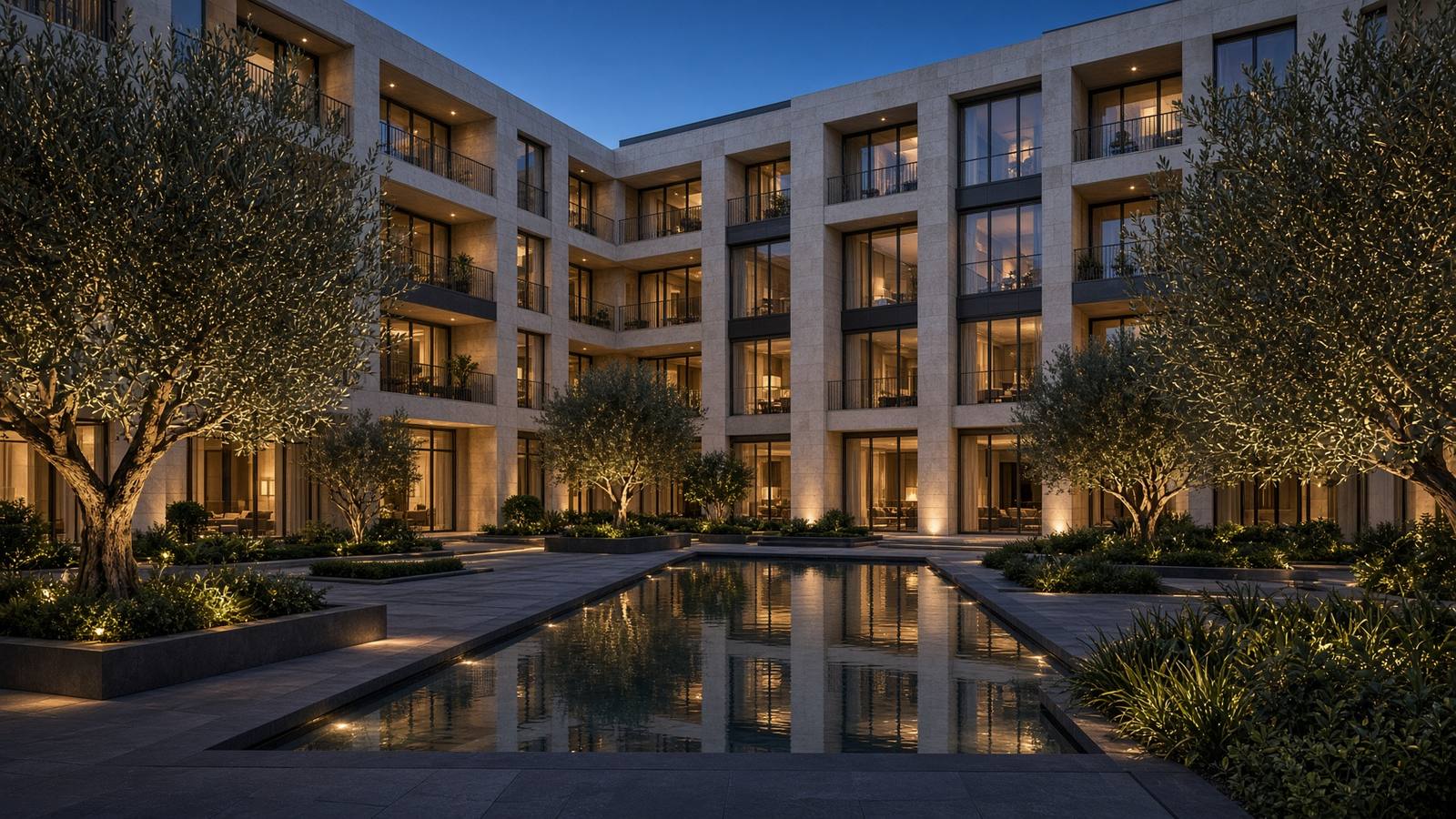
A door fee per apartment, new or already open. Sometimes a share of the bill.
In the same agreement. Bulk only when the property keeps a spread.
Specified with the network. Entries, parking, and common areas. Not income.
Gates and mobile credentials from the same shop.
Why it pays
Internet from one company, television from another, cameras from a third, access from a fourth. Each keeps a monthly. Amarina is the one stop, and the property is on the receiving side of the check.
We pay a door fee for every apartment we put on our internet — still under construction, or open for years — and in some agreements a share of resident internet revenue. Television rides that deal only where the property keeps a spread. Cameras and access are on the same agreement. They are not income.
The shop
Internet, television, security cameras, and access control, contracted together. The developer makes money on the internet — a door fee, and resident revenue where the deal includes it. Cameras are part of the shop, not a fee. Access control is on the same agreement.
New apartments or a property already standing. Amarina pays a door fee per unit to install our network, and in some deals a share of what residents pay for internet.
Bulk video in the same agreement as the internet, and only when the property keeps a spread. One lineup, one vendor, no second contract quietly keeping the monthly.
Specified with the network, not bolted on after the fact. Common areas, entries, and parking covered by the same shop. Not a revenue line.
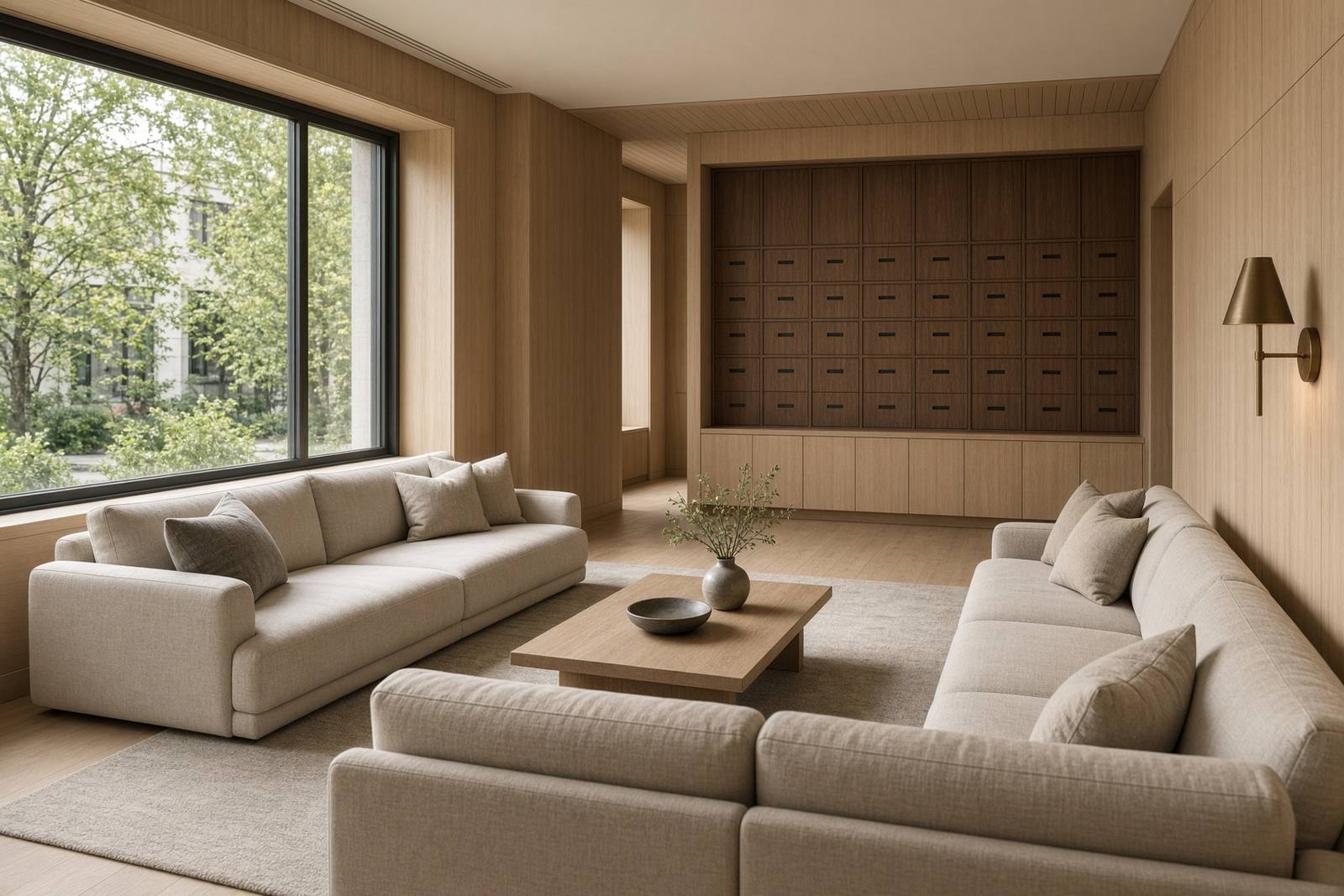
Gates, doors, and mobile credentials on the same agreement. Residents get one credential.
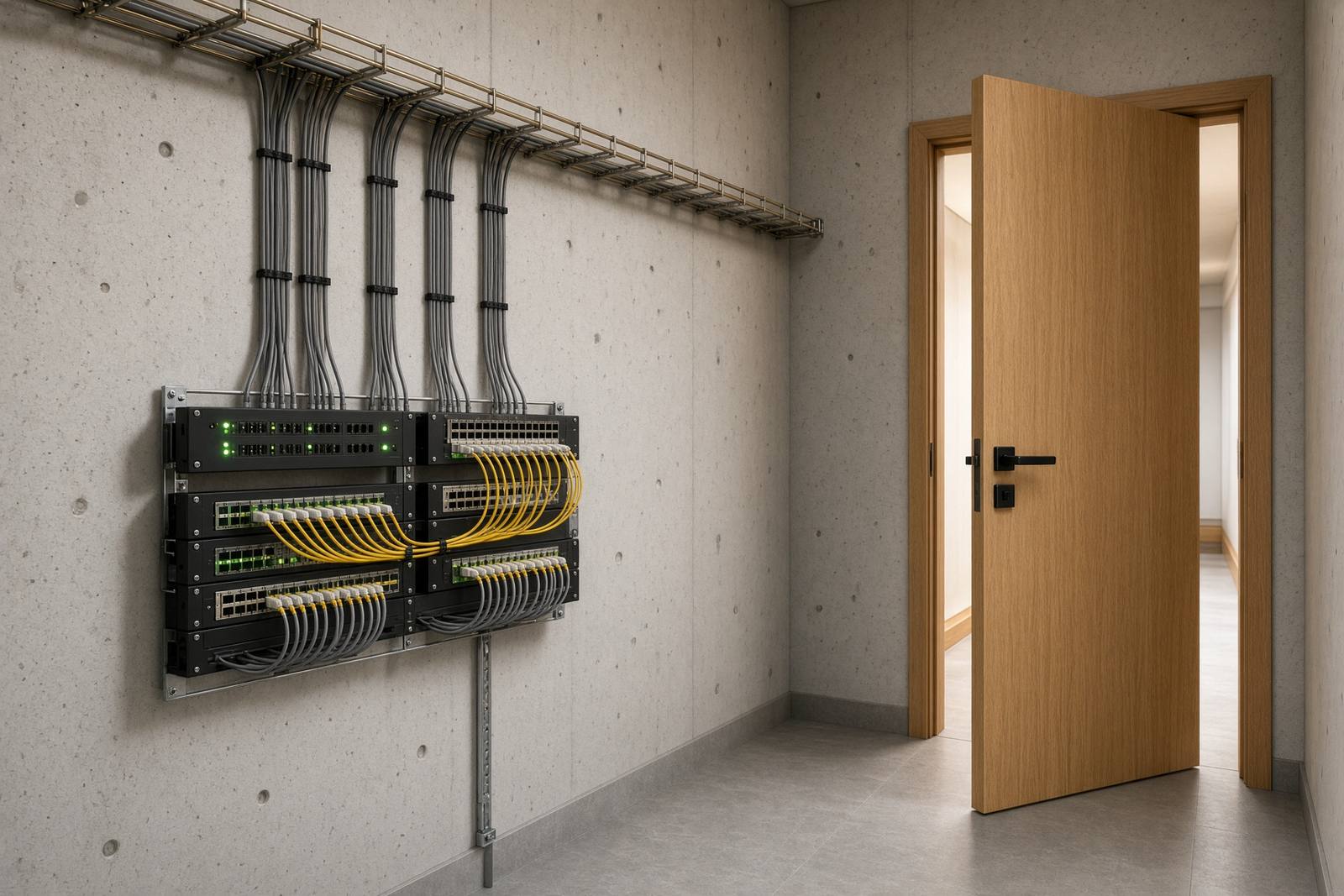
New construction is sequenced before the slab. An existing community is retrofitted. Either way the door fee is per unit, and resident internet revenue is added only when the deal says so.
Beyond the drop
Internet, television, cameras, and access are the shop. Money is the door fee and, where the agreement includes it, resident internet revenue. Cameras and access are not priced as income. These are further lines. We model them. We do not force them onto every property.
01
Internet, television, cameras, and access written together. A sale does not leave four exclusives behind.
02
Bulk video when the property keeps a spread. Left off when a channel lineup is just cost next to internet.
03
A revenue share, not a free concession. Power, software, and who owns the stall when you sell.
04
Quiet income, if the agreement does not give a carrier the whole roof and the next ten years.
05
Often funded by the carrier. A tour still dies in a lobby with no signal, whatever the Wi-Fi brochure says.
06
Leasing lines, clubhouse phones, and retail that need business service without colliding with the residential bulk deal.
07
Shutoff and sensors as fewer losses — and, where residents understand it, a small protection line.
08
Negotiate once for the communities you have and the ones still on paper. Twelve one-off deals is how margin disappears.
09
Before closing, read the telecom agreement, the easements, and the rooftop lease. They survive the purchase.
10
Credentials in the lease packet. Occupancy is the revenue. Working service is how you keep it.
11
Closets, pathways, and power on the construction calendar, so a certificate of occupancy is not waiting on a drop.
The engagement
01
Internet, television, cameras, and access. What this building actually needs — and what it does not.
02
A door fee per apartment, and any share of resident internet. Television only if it still pays. Cameras are not a fee.
03
One vendor for the stack. Who counts as a subscriber, how long it runs, and what happens on a sale.
04
Closets and pathways before the slab on a new job. A retrofit on a property that is already open.
05
Internet, video, cameras, and credentials live together. The property is paid for the internet install, and monthly only where the internet share is in the deal.
Still in the ground, or not yet occupied. We install our internet infrastructure and pay a door fee for every unit. Closets and pathways get decided before they are poured in the wrong place.
$80,000
Door fee at install, illustrated.
$65,880 a year after that. No internet revenue share in this example.
Already open and already leased. The door fee is the same idea — per unit — to put our infrastructure into a standing property. Residents are not asked to wait on the next building.
$56,000
Door fee at install, illustrated.
$15,898 a year after that. No internet revenue share in this example.
New or existing. The door fee at install, plus a payment tied to what residents spend on our internet. Not every agreement includes the share. When it does, it outlasts the install check.
$80,000
Door fee at install, illustrated.
$55,430 a year after that, with resident revenue in the deal.
The model
Cameras and access are included. They are not in these dollars. This model is the apartment internet: a door fee per unit on a new property or an existing one, and resident revenue only when you turn it on. Sample dollars, not a quote.
Ground-up. A door fee on every unit as we install our network. No resident revenue share in this example.
Paid at install
$80,000
$400 × 200 units · new or existing
Then each year
$65,880
Year one, combined$145,880
This illustration is a door fee only. It is paid per unit on new construction and on communities already open. Move resident revenue above zero when a share of internet is part of the deal.
Sample dollars, not a rate card. The door fee is paid per unit when Amarina installs its internet infrastructure, on a new property or an existing one. Resident revenue is included only in some agreements. An illustration for the conversation, not an offer.
A briefing
Internet, television, cameras, access — or only some of them. We pay a door fee per unit, new or existing, and we can talk about revenue on residents’ internet.